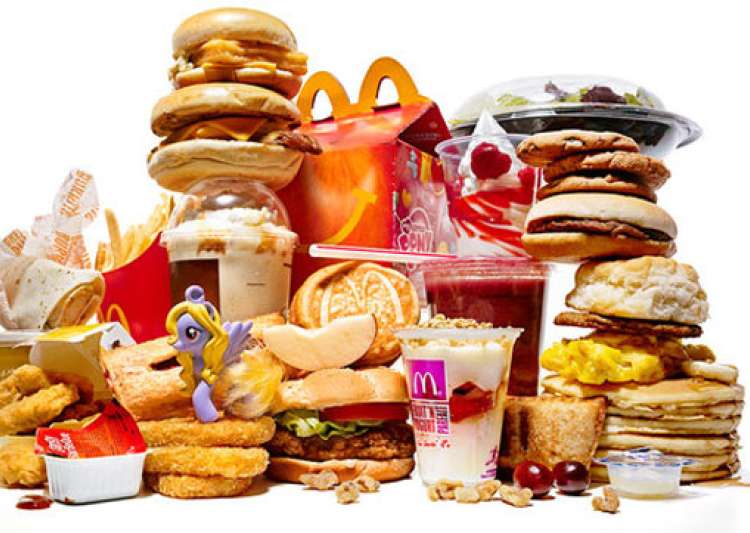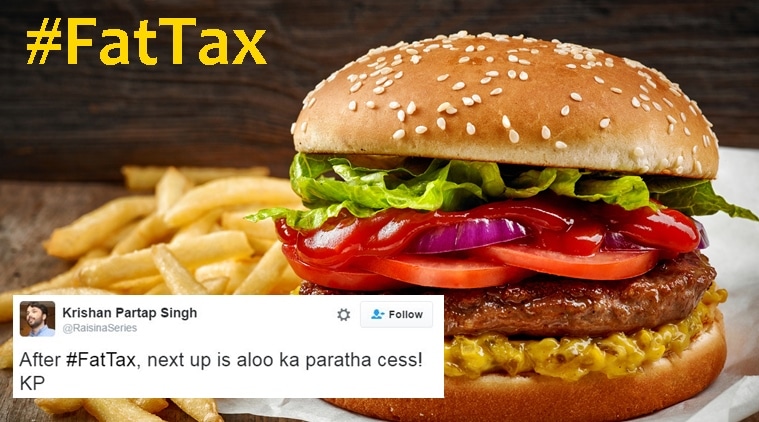

First they felt the need to impose prohibition in Kerala because of the unusually high rates of alcoholism in the state and now it appears that there is also the need to regulate people’s unhealthy eating habits as well. According to a recently made announcement by the state’s Finance Minister, there would be an additional tax imposed on restaurants that sold items such as burgers, pastas, pizzas, tacos, doughnuts, and so on. So now, eating at restaurants such as MacDonald’s, Pizza Hut and so on will become more expensive for the people of Kerala.
What the “fat tax” will do
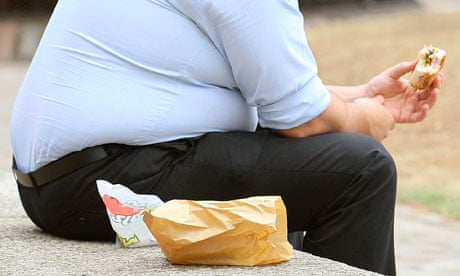
Eating at branded and chain fast food restaurants will become more expensive in Kerala. There will now be an additional 14.5% tax on all junk food. This tax policy is an attempt to improve public health and is aimed at reducing the relatively higher incidences of life style related diseases such as diabetes and heart problems seen in this state. Higher development parameters, educational levels and standard of living in the state are thought to increase these life style diseases in the state. It is also seen that obesity levels in the state are on the rise. The state also has worryingly high rates of infectious diseases, suicide rates and alcohol consumption (because of which prohibition has now been imposed in a phased manner).
Why the tax is questionable
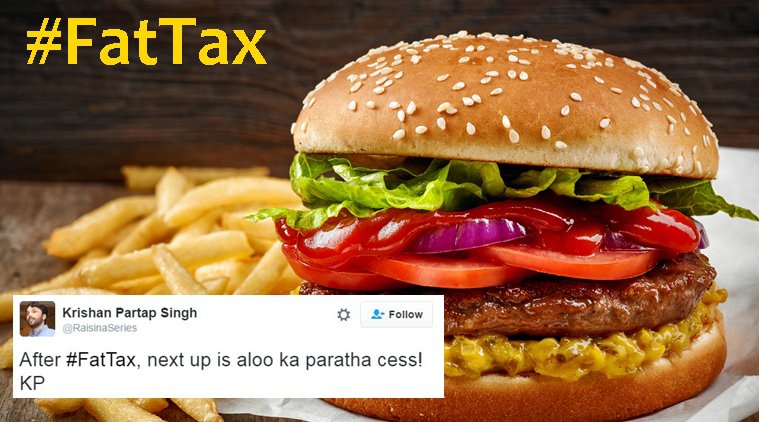
Some experts have questioned Kerala’s fat tax as being inadequate and poorly thought out. It has been pointed out that few people actually patronize these western style chains that are targeted by the tax. Plus there is the fact that unhealthy local food remains un-taxed. Items such as the widely consumed banana chips, fried meats that are easily available and sugary beverages remain outside the tax net.
Rather than tax foods that are high in unhealthy ingredients across the board, the tax targets select restaurant chains and so will have little if any positive impact. Many have questioned why it is only western style chains that have been targeted. It is also thought that the punitive nature of the tax will have little impact because the sort of clientele (higher income bracket) that visits these outlets is not price sensitive enough to reduce consumption because of an additional tax. Many view this tax as a way to extract more tax rather than an actual public health initiative.
Similar tax policies where governments have taxed unhealthy foods have met with limited success in the past in other places. While it was seen to work well in Mexico, it was less successful in Denmark. However rising obesity levels and unhealthy food choices are a growing problem across India; among the more affluent. If the Kerala experiment does work, will we see such taxes being imposed by other states as well?
Author – Reena Daruwalla