

David Coleman Headley is described by the nonprofit New York newsroom as a U.S. drug informant and operative of the Pakistani terrorist group Lashkar-i-Taiba; as a home-grown terrorist that the United States failed to stop when they had the chance. He was sentenced to 35 years imprisonment by an American federal court for his role in the 26/11 Mumbai attacks. Yesterday, a TADA court in Mumbai granted Headley pardon when he promised to turn approver to expose the others involved in the matter. What does David Headley’s pardon mean?
Access to direct evidence
(Image Source)
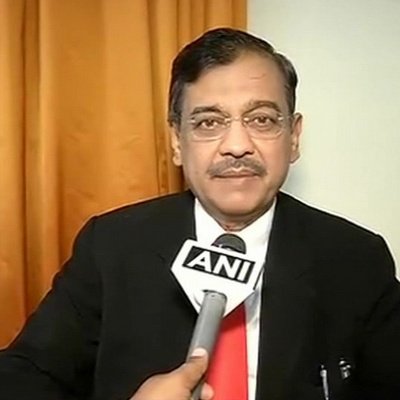
Headley, who is now serving out his sentence in the United States, ‘appeared’ in court via video conference. The pardon was granted yesterday by Judge G. A. Sanap, with consent of special public prosecutor Ujjwal Nikam. According to the learned judge and counsel, it is rare to gain access to such direct evidence from an actual co-conspirator. It is thought that Headley’s testimony and firsthand account could be very important for the prosecution to make out its case.
Headley pled guilty to charges by the US court and it is most likely that he cooperated with American authorities because life in an American prison was a better option than the death penalty that awaited him in India if he were ever extradited. Indian authorities have been trying to extradite him from the US for years with no success. So why is the man turning approver now and can we trust him when he says he will talk?
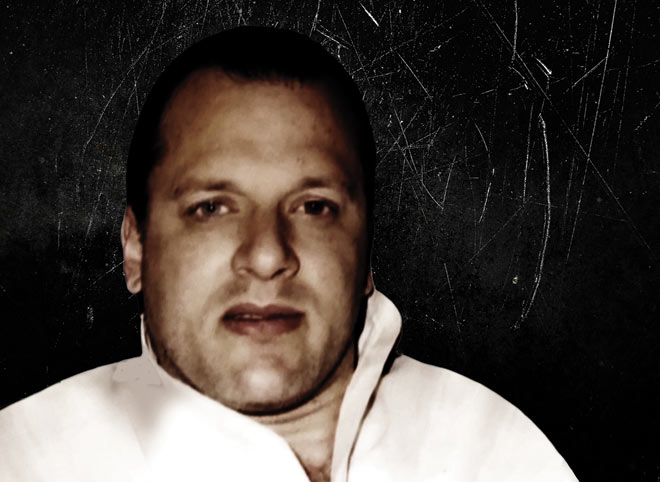
Can we trust David Coleman Headley?
(Image Source)
The fact that he pled guilty to the charges against him in the USA can be dismissed as an expedient way to avoid extradition. However the fact that he penned his memoirs about the 26/11 attacks while in prison, seems to indicate that he may be willing to talk. Indian authorities are hopeful of being able to get details about how the Pakistani intelligence agency, ISI was involved in the attacks.
Headley had earlier talked about the motivations of the ISI in aiding the Mumbai terror plot in particular, and others in general and we can be reasonably hopeful that he will offer more details to implicate Pakistani state and non-state players for their respective roles in the attacks.
Headley’s possible confessions could embarrass the Americans and actually incriminate several Pak agencies, proving that Pak spies do indeed work with terrorists as a matter of course. We still don’t know if we can trust Headley or why we should do so. We can only hope that the man decides to talk quite simply because he has nothing more to lose now.
Author: Reena Daruwalla