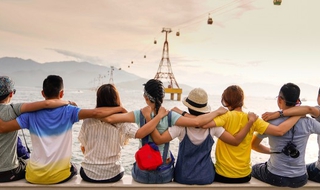
One of the most unique of Indian festivals is Raksha Bandhan; a festival that siblings celebrate across the country; even across religious lines. Of late, the whole concept of the festival, where the sister ties a rakhi to the wrist of her brother, who in turn promises to protect her; has undergone a change. Sisters are now choosing to tie rakhis to each other’s wrists. The whole concept of the woman as the ‘weaker gender’ and the one to be ‘protected’ and kept out of harm's way is also undergoing a big change; perhaps why #RakshaMatlabRokNahi was trending this Raksha Bandhan.
This video is an ad for a bank which is really by the way. More importantly, the short, two minute film talks about the gross lack of gender parity in our society. The film is about a girl who comes home late at night to find that her brother is waiting up for her. How nice! He tells her there is dinner waiting for her – made for him by his wife, even though she came home late. We get an inkling of the direction this is taking. The brother-sister duo then discusses the job offer for the brother’s wife. Apparently the job offer would be turned down because it involved travelling, which is dangerous for women.
The film gently underlines the many expectations society continues to have of women; the sacrifices she is expected to continue to make for the men in her life, for her family and for societal expectations. Here is a working woman who comes home later than her husband but still cooks for him; which he seems to expect and take for granted. The husband thinks it is quite OK for his wife to give up job opportunities that he himself would not be expected to give up. The reason for this? Safety concerns. This film asks an important question – why do we still use safety concerns as a way to control and circumscribe women and their activities? Is it her fault she is unsafe? Shouldn’t we be trying to control the factors that make her unsafe rather than trying to control her actions?
It is sad that in our country, men still say things like “I give my wife all the freedom she wants/requires” with pride; quite unmindful of the irony of one adult presuming to “give’ another adult their freedom. And the word “requires” again has a host of connotations: who will decide that is a woman's ‘requirement’? Unfortunately those decisions usually still vest in the hands of the males in the home as well.
Among the more educated and affluent families, that like to be thought of as progressive, the patriarchy is not overt, but it is there alright. Men would do well to understand that women can and will now make their own decisions – it is no longer OK to infantalise women and to presume to ‘protect’ them. This ‘protection’ is just a thinly veiled attempt to control and confine.
In the film, the sister challenges her brother; asking what he would do if she was subjected to the same restrictions by her would-be husband. This also exposes the double standards of our society, where we expect that our own daughters and sisters should enjoy equal rights but are unwilling to acknowledge that women married into the family deserve the same.
Even in this day and age, when a woman can look after herself, it feels nice to have a brother who is looking out for her. After all, she is looking out for him as well! The sibling bond is a precious one; and one that must be nurtured with mutual love and support for each other. This support cannot become an excuse for control and manipulation. It is like the hashtag says, #RakshaMatlabRokNahi (protection is not control... or at least it shouldn't be).
Do you have something interesting you would like to share? Write to us at [email protected]