

Anorexia is a serious eating disorder that affects women and men of all ages. It’s characterised by three key features:
• Refusal to maintain a healthy body weight
• An intense fear of gaining weight
• A distorted body image
Thoughts about dieting, food, and your body may take up most of your day—leaving little time for friends, family, and other activities you used to enjoy. Life becomes a relentless pursuit of thinness and going to extremes to lose weight. But no matter how skinny you become, it’s never enough.
Signs and symptoms of Anorexia
1. Dieting despite being thin

Following a severely restricted diet. Eating only certain low-calorie foods. Banning “bad” foods such as carbohydrates and fats.
2. Obsession with calories, fat grams, and nutrition
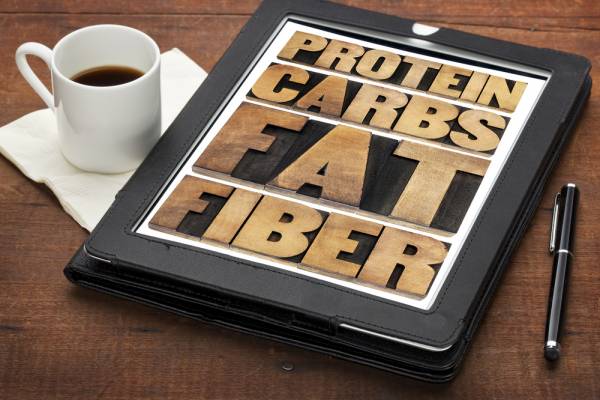
Reading food labels, measuring and weighing portions, keeping a food diary, reading diet books.
3. Pretending to eat or lying about eating

Hiding, playing with, or throwing away food to avoid eating. Making excuses to get out of meals.
4. Preoccupation with food

Constantly thinking about food. Cooking for others, collecting recipes, reading food magazines, or making meal plans while eating very little.
Steps to recover from Anorexia
1. Admit you have a problem

Up until now, you’ve been invested in the idea that life will be better and that you’ll finally feel good, if you lose more weight. The first step in anorexia recovery is admitting that your relentless pursuit of thinness is out of your control and acknowledging the physical and emotional damage that you’ve suffered because of it.
2. Talk to someone
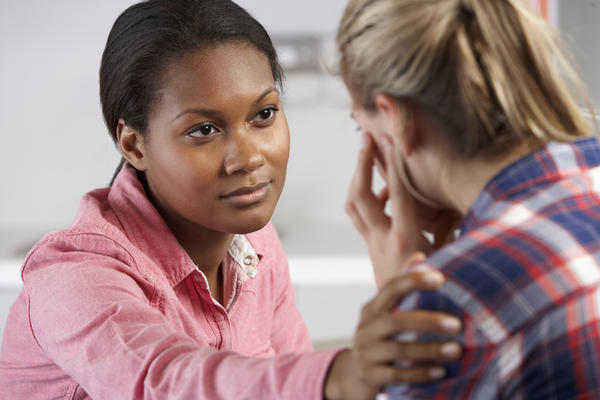
It can be hard to talk about what you’re going through, especially if you’ve kept your anorexia a secret for a long time. You may be ashamed, ambivalent, or afraid. But it’s important to understand that you’re not alone.
3. Stay away from people, places, and activities that trigger your obsession with being thin

You may need to avoid looking at fashion or fitness magazines, spend less time with friends who constantly diet and talk about losing weight, and stay away from weight loss web sites and “pro-ana” sites that promote anorexia.
4. Seek professional help

The advice and support of trained eating disorder professionals can help you regain your health, learn to eat normally again, and develop healthier attitudes about food and your body.
Author’s Name : Pulkit Kalra